Why the Best Builders Are
Moving to Fly Ash Bricks
Traditional red clay bricks have served construction for centuries. But modern large-scale construction demands better compressive strength, tighter dimensional tolerance, lower water absorption, and an eco-friendly supply chain. Fly ash bricks answer every one of those demands.
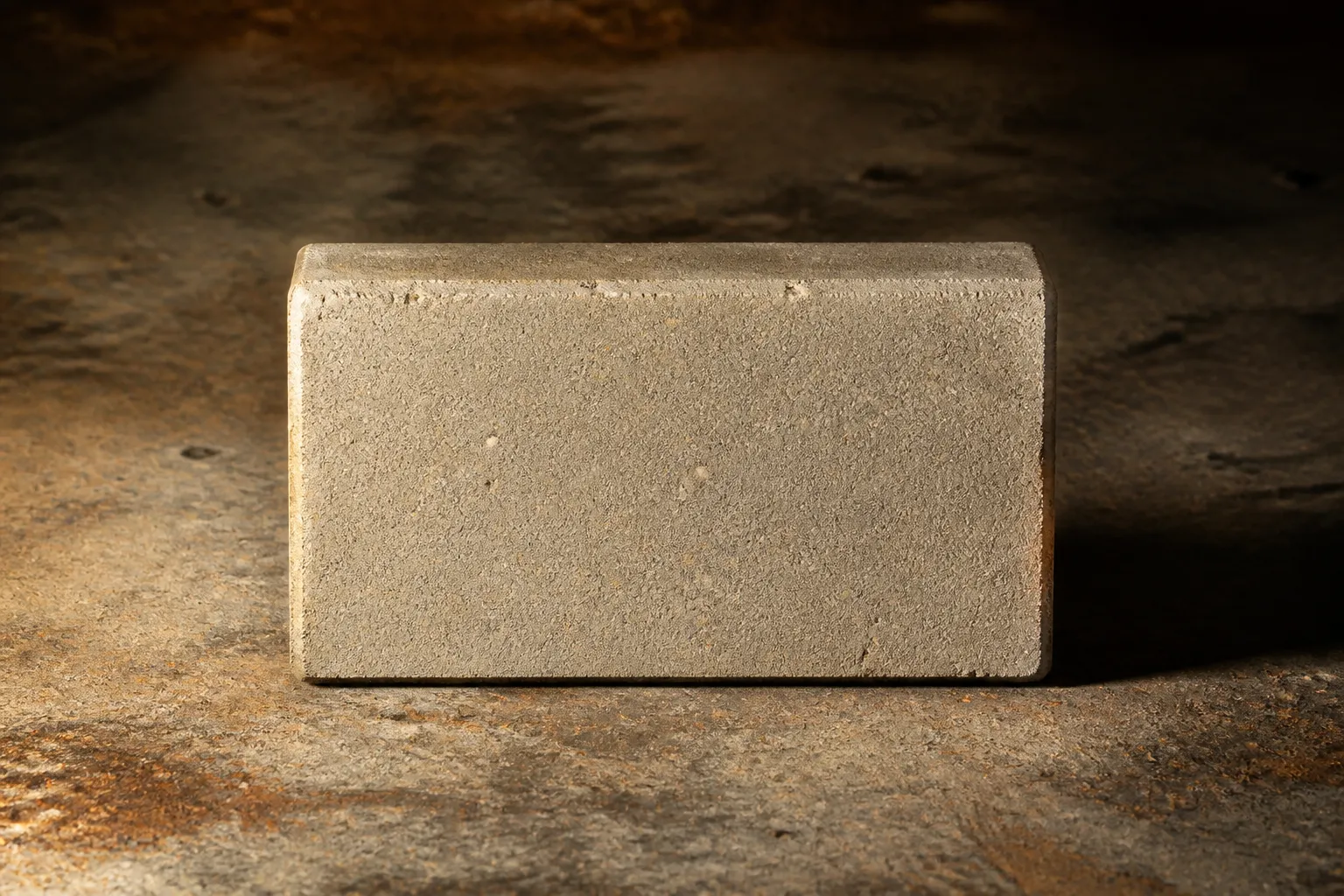
Fly Ash Bricks vs. Red Clay Bricks: The Numbers
This is the comparison your structural engineer and procurement head need to see before specifying the next project. Every figure is a tested measurement, not a marketing claim.
| Specification | DXT Ashcore Fly Ash Bricks | Traditional Red Clay Bricks |
|---|---|---|
| Compressive Strength | 70 to 120 kg/cm2 Superior | 35 to 75 kg/cm2 |
| Water Absorption | 5 to 12% Drier walls | 15 to 25% - higher dampness risk |
| Dimensional Tolerance | Machine-moulded: plus or minus 2mm Precise | Hand-moulded: wide variation |
| Mortar Consumption | Up to 30% less mortar required Cost saving | Standard mortar consumption |
| Dead Load on Structure | Lighter: reduces load on beams and columns Lighter | Heavier: higher structural load |
| Environmental Impact | Recycled fly ash - less energy, no topsoil loss Eco-friendly | Kiln-fired: strips agricultural topsoil |
All DXT Ashcore fly ash brick data reflects batch-tested results from our factory floor, verified against IS 12894. Documentation is provided on every dispatched order.
Eco-Friendly Is Not Just a Label. It Is an Engineering Choice.
Fly ash is the residual ash from thermal power plant combustion. Left unmanaged, it occupies vast landfill space and risks groundwater contamination. Incorporated into brick manufacturing, it becomes a structural asset.
DXT Ashcore uses high-volume fly ash in every brick we produce. This means fewer emissions than kiln-fired clay brick manufacturing, a reduced burden on topsoil - clay bricks strip agricultural land - and a product that qualifies for green building ratings under GRIHA and similar national frameworks.
Qualifies for GRIHA and National Green Building FrameworksIndustrial Waste Converted to Structural Strength
Every tonne of fly ash used in our bricks is a tonne diverted from landfill - transforming a pollution liability into a precision construction material.
Lower Energy in Manufacturing
No kiln firing. Our production process consumes significantly less energy than traditional clay brick manufacturing, reducing the carbon cost of every wall you build.
Agricultural Topsoil Protected
Red clay bricks consume millions of tonnes of productive topsoil annually. Fly ash bricks use none. For projects on government land or near farmland, this matters for clearances and community relations.
Accepted for Green Building Certification
Our bricks support GRIHA, IGBC, and other national green building ratings. If your project requires environmental certification, DXT Ashcore bricks qualify and we provide the documentation you need.
From Power Plant Residue to Structural Asset
Five controlled steps, zero kilns, and batch testing before anything leaves our factory gate.
Fly Ash Sourcing
High-quality fly ash procured from thermal power plants, tested for composition consistency before intake
Precision Blending
Fly ash, sand, lime, and gypsum batched in controlled ratios by our automated blending system
Machine Moulding
Hydraulic pressing to exact dimensions with plus or minus 2mm tolerance - no hand-moulding variation
Curing
Water-cured under controlled conditions for minimum 21 days to reach full design compressive strength
Batch Testing and Dispatch
Every batch tested for compressive strength and water absorption. Documentation issued before dispatch
Questions Builders Ask Before Switching
We hear the same concerns from first-time fly ash buyers. Here are direct answers from our technical team.
Have a technical question not listed here? Our engineering team responds to specification queries within one working day.
Talk to Our Technical TeamReady to Specify Fly Ash Bricks on Your Next Project?
Our team can prepare a project-specific technical data sheet and bulk cost estimate. Give us your project type, volume estimate, and location and we will do the rest. No obligation, no generic pricing sheets.